Best Lightweight Soil Alternatives: Structural & Substrate Guide
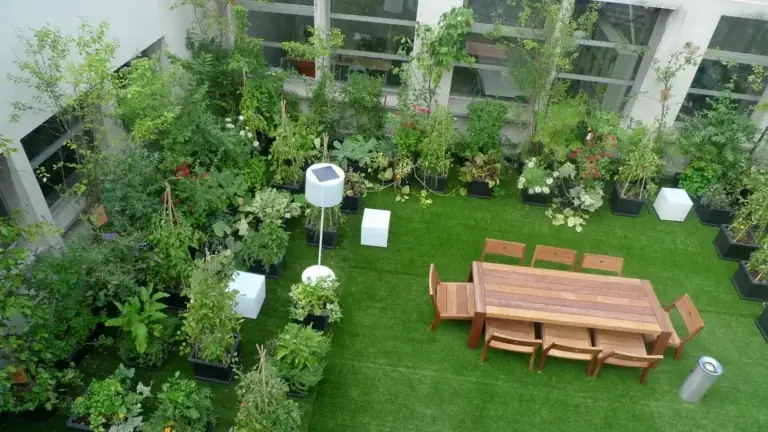
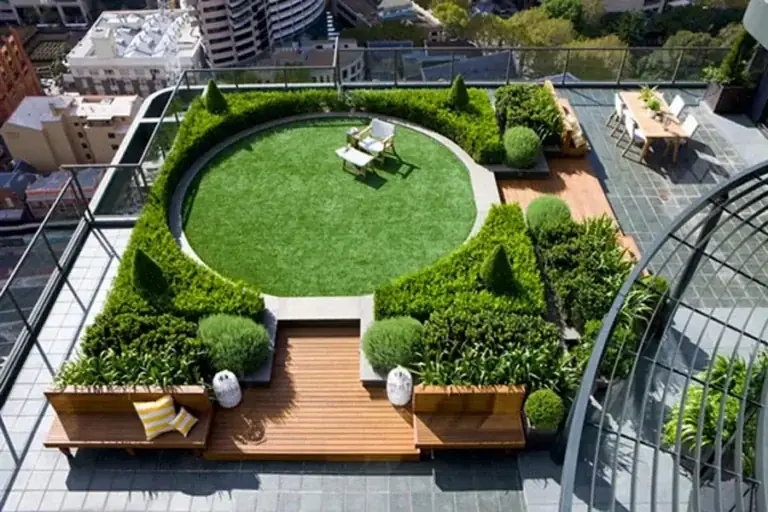
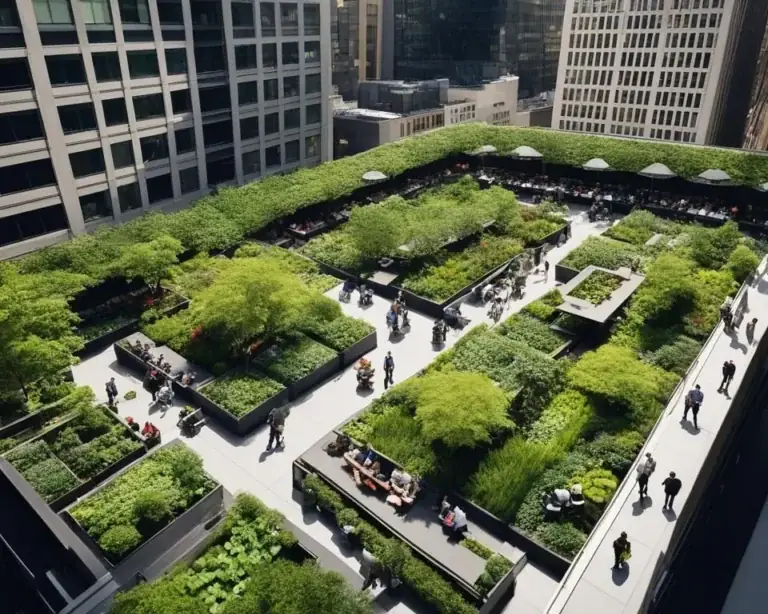
Urban architecture increasingly relies on elevated green spaces, rooftop terraces, and vertical building envelopes to mitigate urban heat islands and manage stormwater runoff. However, conventional garden soil presents an insurmountable structural obstacle for these applications. Saturated natural topsoil weighs roughly one hundred pounds per cubic foot, creating massive dead-load pressures that standard structural steel and concrete roof decks cannot sustain without costly reinforcement.
Addressing this structural limitation requires replacing dense earth with engineered growing media. When engineers and landscape architects evaluate these materials, identifying the best lightweight soil alternatives becomes essential for maintaining structural safety while supporting plant health. These specialized substrates reduce dead-load pressures by up to seventy percent while optimizing water retention, aeration, and root-zone stability.
This definitive reference document provides an exhaustive examination of the physical, chemical, and structural properties of engineered soilless media. Stripping away commercial marketing hype, this guide investigates the mineralogical, hydrological, and mechanical realities of lightweight aggregates and organic amendments. By unpacking bulk density ratios, cation exchange capacities, and moisture retention curves, this framework establishes a baseline for engineering resilient, long-lasting vegetative systems on weight-restricted structures.
Understanding “best lightweight soil alternatives”
Defining the Structural and Horticultural Paradigm
When researchers and structural engineers analyze the best lightweight soil alternatives, they are examining specialized mineral aggregates and organic components engineered to mimic or exceed the performance of natural soil at a fraction of the weight. Standard topsoil relies on clay and silt fractions that compact under pressure, suffocating roots and holding excessive water weight. In contrast, lightweight alternatives utilize expanded shales, porous volcanic glasses, pumice, and processed organic fibers that maintain internal air porosity even when fully saturated. Furthermore, treating these materials as simple weight-reduction substitutes ignores their complex hydrological and nutrient-holding behaviors. For instance, selecting an overly porous aggregate without adequate capillary tension will cause rapid root desiccation during summer dry spells.
Environmental Realities and Structural Pressures
A common misunderstanding assumes that lightweight media remain permanently light regardless of moisture conditions. In reality, saturated bulk density can increase significantly during severe precipitation events, demanding precise engineering calculations that account for maximum water-holding capacity. Moreover, high wind velocities across tall urban structures create powerful shear forces that can displace dry, unblended lightweight particles if they lack proper binding agents or stabilization geogrids.
Infrastructure and Risk Factors
Oversimplification also happens when specifiers focus exclusively on initial dry weight while ignoring long-term particle breakdown, compaction tendencies, and chemical pH stability. High-grade structural substrates require a calibrated balance of macro-porosity for drainage and micro-porosity for moisture retention. When this balance fails, fine particles migrate downward, clogging drainage filters and causing localized waterlogging that stresses plant root zones.
Deep Contextual Background
Historical Evolution of Soilless Media
The lineage of contemporary lightweight growing media stretches from ancient horticultural practices involving sand and gravel mixes to mid-twentieth-century industrial innovations in thermal expansion. Horticultural pioneers in Europe and North America discovered that heating raw clays, shales, and perlite ores to extreme temperatures caused trapped internal moisture to flash into steam, expanding the material into highly porous, lightweight ceramic clinkers and aggregates. These industrial breakthroughs transformed rooftop gardening from a risky architectural novelty into a standardized structural science.
Modern Material Science Integration
As materials science advanced to incorporate specialized rotary kiln manufacturing, high-density polyethylene retention cells, and processed coconut coir pith, producing predictable, sterile growing media became standard practice. Early installations relied on unrefined cinder and raw slag, which often leached heavy metals or exhibited extreme pH fluctuations. In contrast, modern projects utilize rigorously tested, pH-neutral mineral aggregates designed to resist mechanical breakdown over decades of freeze-thaw cycles.
Contemporary Urban Planning Paradigms
In modern municipal urban design frameworks and sustainable real estate development codes, lightweight vegetative systems have evolved into vital urban infrastructure. Cities facing severe sewer overflow challenges and stringent structural load caps on retrofitted historic buildings increasingly mandate engineered lightweight assemblies. Consequently, this shift has moved the industry away from ad-hoc soil blending toward highly regulated, performance-certified growing media standards.
Conceptual Frameworks and Mental Models
Navigating the complexities of selecting and blending lightweight growing media requires robust mental models that synthesize geotechnical engineering, hydrology, and plant physiology.
1. The Bulk Density and Structural Load Matrix
This model views growing media as a strict weight-budget system. Every component is evaluated based on its dry weight versus its maximum saturated weight. This framework ensures that total dead-load pressures remain well below the structural load capacity of the underlying roof deck or elevated container frame.
2. The Porosity and Air-Filled Porosity (AFP) Balance
Root respiration requires oxygen, yet plants also require steady moisture access. This mental model balances macro-pores (which drain freely and provide vital oxygen) against micro-pores (which retain water via capillary action), preventing both root suffocation and drought stress.
3. The Cation Exchange Capacity (CEC) and Nutrient Retention Model
Unlike heavy clay soils that naturally hold mineral nutrients, many lightweight mineral aggregates are chemically inert. This framework dictates how organic amendments, compost fractions, or specialized mineral coatings must be integrated to retain fertilizers and prevent nutrient leaching during heavy rains.
4. The Thermal Stability and Insulation Index
Growing media influence the thermal dynamics of building envelopes. This model evaluates how high-porosity mineral aggregates provide thermal mass and insulation, protecting underlying waterproofing membranes from extreme thermal shock and ultraviolet degradation.
Key Categories or Variations
Lightweight growing media span a broad spectrum defined by mineral origin, organic content, particle size distribution, and structural durability. Understanding these classifications helps identify the appropriate composition for any architectural objective.
| Media Category | Bulk Density (Dry) | Saturated Weight Range | Primary Porosity Mechanism | Water Retention Capacity | Ideal Structural Application |
| Expanded Shale and Clay | 35 to 50 lbs/cu ft | 50 to 70 lbs/cu ft | Internal ceramic micro-pores | Moderate to High | Extensive green roofs, structural podium planters |
| Horticultural Pumice | 30 to 45 lbs/cu ft | 45 to 65 lbs/cu ft | Surface and internal volcanic vesiculation | Moderate | Intensive rooftop gardens, succulent green roofs |
| Expanded Perlite | 5 to 10 lbs/cu ft | 20 to 35 lbs/sq ft | Inter-particle thermal expansion gaps | High (surface adsorption) | Lightweight container mixes, indoor green walls |
| Horticultural Vermiculite | 10 to 15 lbs/cu ft | 35 to 55 lbs/cu ft | Layered silicate expansion plates | Very High | Seedling propagation, moisture-retention blending |
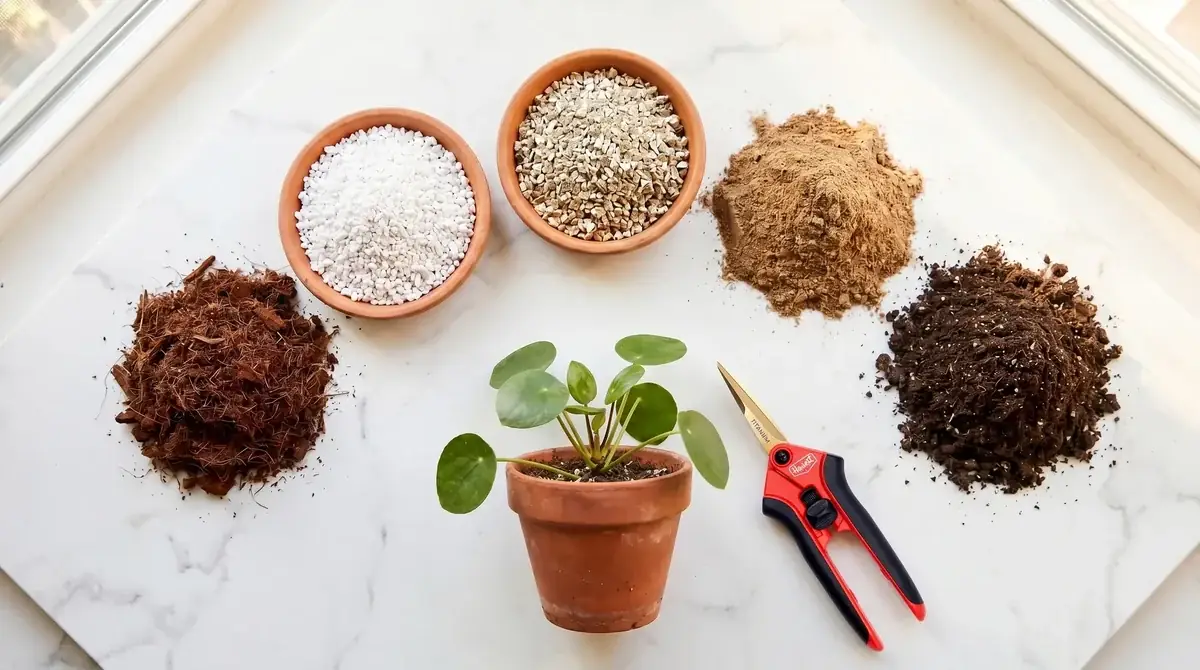
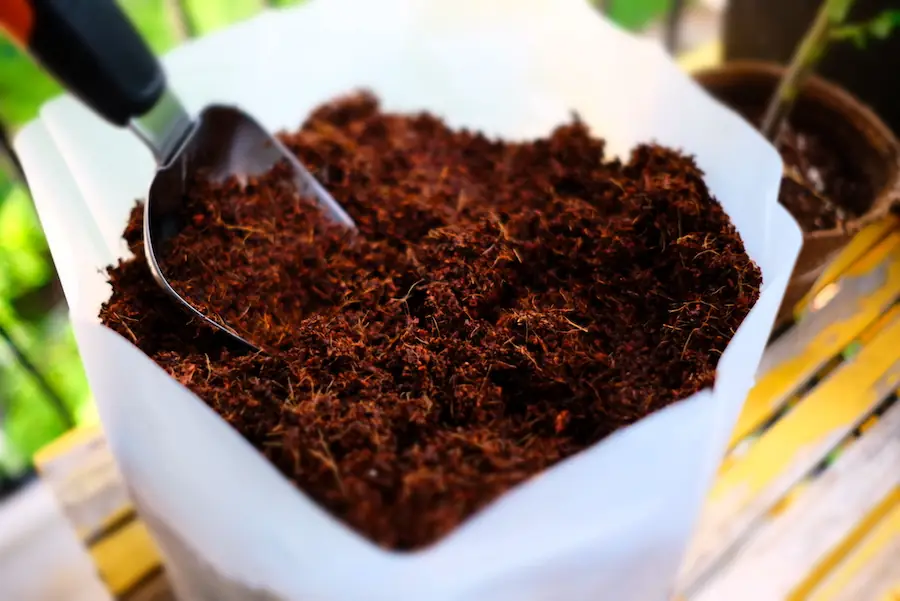
| Processed Coconut Coir | 8 to 15 lbs/cu ft | 40 to 65 lbs/cu ft | Lignin-based spongy cellular matrix | High | Container gardening, raised beds, intensive beds |
| Composted Rice Hulls | 12 to 22 lbs/cu ft | 30 to 45 lbs/cu ft | Natural hull cavity micro-structure | Low to Moderate | Organic soil lightening, short-term crop beds |
| Expanded Slate Aggregates | 40 to 55 lbs/cu ft | 55 to 75 lbs/cu ft | Vitrified internal pore structure | Moderate | Heavy-load intensive tree plantings, high-wind zones |
Detailed Category Breakdown
Expanded Shales, Clays, and Slates
Engineered through high-temperature rotary kiln firing, expanded mineral aggregates form the backbone of structural green roof media. Their vitrified exterior shells resist physical crushing, while their internal networks of micro-pores store water and provide habitat for beneficial microbes. These materials offer exceptional dimensional stability, making them a foundational choice when seeking the best lightweight soil alternatives for long-term commercial installations.
Volcanic Pumice and Scoria
Formed from rapidly cooled, gas-rich volcanic ejecta, pumice provides natural, chemically inert structural porosity. Unlike softer organic materials, pumice does not decompose over time, ensuring that the structural drainage and aeration properties of the media remain constant across decades of operational use.
Processed Organic and Expanded Minerals (Perlite and Vermiculite)
While pure mineral aggregates provide structural longevity, organic components and ultra-lightweight expandates supply essential moisture retention and biological activity. Perlite offers exceptional aeration but floats to the surface during heavy rainstorms if not properly blended. Vermiculite provides high water and nutrient retention but can compact under heavy loads, requiring careful proportioning within the broader media matrix.
Detailed Real-World Scenarios
To understand how these lightweight media categories manifest in operational practice, consider the following real-world scenarios, complete with constraints and decision frameworks.
A : Retrofitting a Historic Downtown Commercial Roof
-
Context: A structural engineer evaluates an early-twentieth-century brick building slated for a rooftop amenity garden.
-
Constraints: Structural load limits cap total saturated media weight at thirty pounds per square foot. High wind velocity across the exposed parapet threatens loose particles.
-
Decision Path: The engineering team compares various aggregate blends, testing expanded shale against volcanic pumice. They determine the optimal approach by evaluating the best lightweight soil alternatives that balance dead-load thresholds with wind resistance, selecting a dense expanded shale blended with a stabilized organic fraction.
-
Second-Order Effects: The roof successfully supports lush perennial plantings without exceeding structural safety margins. However, the mineral aggregate requires initial pre-wetting during installation to prevent fine dust migration into building air intakes.
B : Constructing a High-Rise Residential Balcony Container Garden
-
Context: A landscape designer plans heavy container plantings for a 40th-floor residential balcony in a windy coastal city.
-
Constraints: Balcony weight limits are strictly enforced by the property management association. High wind sheer creates severe container tip-over hazards.
-
Decision Path: The designer formulates a custom soil blend utilizing horticultural pumice and coconut coir instead of heavy topsoil, significantly reducing dead-load while anchoring containers with hidden internal fastening brackets.
-
Second-Order Effects: The lightweight blend successfully complies with building weight regulations while maintaining optimal moisture retention during hot summer afternoons. Yet, the high porosity of pumice requires more frequent liquid fertilization due to rapid nutrient leaching.
C : Designing an Indoor Vertical Farm and Green Wall
-
Context: An indoor agricultural enterprise constructs a multi-tier vertical farming facility utilizing automated soilless hydroponic and substrate-based growing troughs.
-
Constraints: Vertical frame loading limits restrict substrate weight. Water delivery systems demand uniform moisture distribution across vertical tiers.
-
Decision Path: Agricultural technicians test multiple substrate options, ultimately selecting horticultural perlite blended with fine coconut coir to maximize water-holding capacity while minimizing vertical frame stress.
-
Second-Order Effects: The vertical farm achieves high crop yields with minimal structural framing requirements. However, organic coir breakdown over extended production cycles necessitates annual media replacement.
Planning, Cost, and Resource Dynamics
Executing a lightweight media installation requires rigorous financial modeling that accounts for bulk material acquisition, specialized pneumatic delivery trucks, crane hoisting, and long-term performance longevity. Viewing growing media solely through the lens of bag-purchase prices ignores the substantial labor savings realized through mechanized pneumatic blowing systems and extended replacement intervals.
Financial and Resource Matrix
| Expense Category | Primary Cost Drivers | Financial Variability | Long-Term Economic Impact |
| Raw Aggregate Procurement | Expanded shale, pumice, perlite, coir sourcing | High; regional quarry proximity dictates freight costs | Determines baseline dead-load compliance and structural safety |
| Laboratory Testing & Analysis | Sieve analysis, bulk density, CEC, and pH testing | Low; essential fixed cost for quality assurance | Prevents catastrophic crop failure and media degradation |
| Pneumatic Delivery & Hoisting | Specialized blower trucks, crane lifts, bulk bags | High; depends on building height and urban street access | Dramatically reduces manual labor hours during installation |
| Organic Amendments & Fertilizers | Compost fractions, mycorrhizal inoculants, slow-release granules | Moderate; tailored to specific horticultural requirements | Enhances initial plant establishment and biological activity |
| Long-Term Media Replacement | Organic decomposition, compaction mitigation, top-dressing | Low to Moderate; periodic replenishment cycles | Preserves stormwater retention efficiency and aeration |
The opportunity cost of failing to invest in certified structural growing media is severe. While unverified fill materials offer low initial purchase costs, rapid compaction, poor drainage, and weed seed contamination lead to complete plant failure and costly remedial excavation.
Tools, Strategies, and Support Systems
Maintaining and evaluating lightweight growing media requires specialized equipment and operational protocols distinct from traditional ground-level agriculture. Because structural safety and plant health depend on precise physical properties, operators rely on advanced technical tools.
-
Pycnometers and Bulk Density Cylinders: Laboratory instruments used to measure dry and saturated bulk density to verify structural load compliance.
-
Tensiometers and Moisture Probes: Precision sensors inserted into growing beds to track matric suction and prevent root desiccation.
-
Pneumatic Substrate Blowing Trucks: Heavy-duty blower systems designed to transport loose lightweight aggregates vertically up high-rise buildings.
-
Mechanical Sieve Shakers: Laboratory grading equipment used to analyze particle size distribution and verify macro-porosity percentages.
-
EC and pH Pen Meters: Digital diagnostic tools that monitor soluble salt concentrations and root-zone acidity levels in inert media.
-
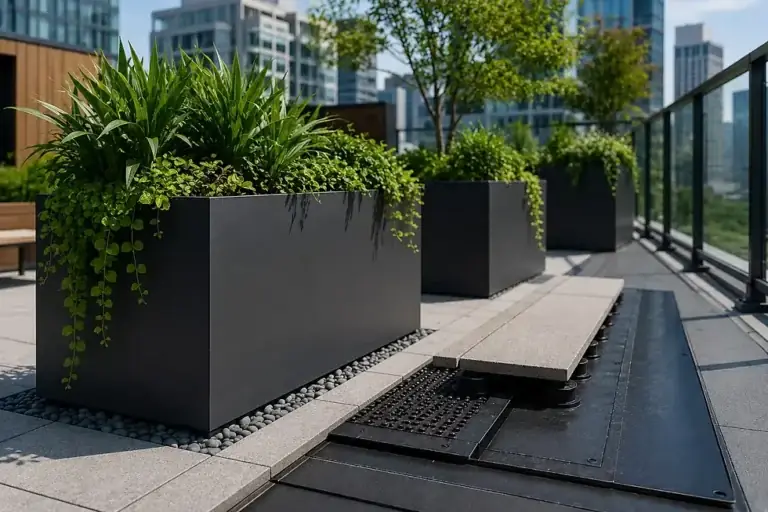
Geotextile Separation Fabrics: Non-woven permeable layers installed beneath media beds to prevent fine sediment migration into drainage cores.
-
Fall-Protection Harnesses: Certified safety tie-off systems required for maintenance personnel servicing elevated media beds near roof edges.
Risk Landscape and Failure Modes
The intersection of elevated building structures and engineered growing media creates a unique risk profile. Unanticipated failure modes can compromise structural safety, building waterproofing integrity, or plant survival.
1. Saturated Dead-Load Exceedance
The single greatest catastrophic risk associated with lightweight media is unexpected water retention during prolonged torrential rainfall. If drainage layers fail or media selection lacks adequate macro-porosity, saturated weight can exceed structural design caps.
2. Particle Segregation and Sub-Sieving
During transport, handling, or heavy rainstorms, fine organic particles can migrate downward through coarse mineral aggregates. This internal segregation creates dense, impermeable lower layers that suffocate roots and block water drainage.
3. Rapid Wind Scour and Particle Displacement
Dry, unblended lightweight aggregates such as perlite or expanded shale fractions positioned near high-velocity roof perimeters can be dislodged by wind shear, creating dust hazards and exposing plant root zones.
4. Excessive Nutrient Leaching
Because many mineral-based lightweight aggregates lack natural cation exchange capacity, applied fertilizers can leach rapidly through the media profile during watering cycles, leading to plant nutrient deficiencies.
Governance, Maintenance, and Long-Term Adaptation
Sustaining a high-performance lightweight growing medium requires formal governance structures, scheduled laboratory testing, and proactive maintenance protocols. Without structured oversight, media compaction and organic degradation will compromise performance over time.
The Maintenance Lifecycle
Property managers, landscape operators, and maintenance personnel manage the ongoing structural and biological health of growing media through a structured sequence of checks and interventions.
-
Bi-Annual Bulk Density and Porosity Audits: Core sampling media beds during seasonal transitions to verify that compaction has not reduced air-filled porosity below critical thresholds.
-
Quarterly Drainage Filter and Geotextile Inspections: Checking perimeter filter strips and drainage outlets to ensure unobstructed water discharge and prevent sediment buildup.
-
Annual Nutrient and pH Profile Testing: Collecting media samples for laboratory analysis to adjust fertilization regimes and maintain optimal root-zone chemistry.
-
Top-Dressing and Organic Replenishment: Applying certified compost and organic amendments to compensate for natural microbial decomposition in intensive and extensive beds.
Measurement, Tracking, and Evaluation
Demonstrating the performance, safety, and structural compliance of engineered growing media requires rigorous data collection and tracking across multiple operational vectors.
Leading vs. Lagging Indicators
-
Leading Indicators (Predictive): In-situ moisture sensor battery status, drainage filter cleanliness, pneumatic delivery calibration logs, and initial sieve analysis reports allow operators to preemptively correct minor vulnerabilities.
-
Lagging Indicators (Retrospective): Stormwater runoff volume reduction percentages, plant root health ratings, saturated bulk density verification logs, and long-term media compaction measurements assess true systemic success.
-
Qualitative vs. Quantitative Signals: Quantitative metrics include saturated weight compliance logs and hydraulic conductivity rates. Qualitative assessments include overall plant vigor scores and visual substrate stability evaluations.
Documentation Examples
-
Media Sieve Analysis and Porosity Report: Certified laboratory documentation verifying particle size distribution, dry bulk density, and air-filled porosity percentages.
-
Structural Load and Saturated Weight Log: Periodic engineering records tracking media moisture weight against building design thresholds.
-
Nutrient Leachate and pH Monitoring Archive: Tracking chemical stability and fertilizer retention across seasonal climate cycles.
Common Misconceptions and Oversimplifications
The selection and deployment of lightweight growing media are frequently clouded by persistent myths and oversimplified assumptions that can lead to severe structural and horticultural outcomes.
-
Myth 1: Lightweight media require zero structural engineering review because they weigh less than soil.
-
Correction: Even lightweight media increase structural dead-load significantly when fully saturated; professional weight mapping remains mandatory.
-
-
Myth 2: All expanded shale and clay products behave identically regardless of manufacturer.
-
Correction: Firing temperatures, raw material composition, and particle grading vary widely, altering water retention and structural strength.
-
-
Myth 3: Organic coir can completely replace mineral aggregates in structural roof media.
-
Correction: Pure organic coir decomposes over time and compacts severely, leading to loss of structural drainage and structural load shifts.
-
-
Myth 4: Lightweight soils eliminate the need for specialized roof drainage layers.
-
Correction: Growing media require a dedicated geocomposite drainage core and root barrier beneath them to protect building waterproofing membranes.
-
-
Myth 5: Perlite never degrades or breaks down under physical pressure.
-
Correction: Expanded perlite is relatively brittle and can crush into fine powder under heavy foot traffic or deep compaction loads.
-
-
Myth 6: Nutrient management in inert lightweight media is identical to ground-level topsoil.
-
Correction: Inert mineral aggregates lack natural nutrient reserves, requiring precise, continuous fertigation management.
-
Ethical, Practical, and Contextual Considerations
Beyond material durability and structural load parameters, selecting the best lightweight soil alternatives touches upon broader environmental sustainability and resource stewardship goals. Mining natural pumice, harvesting peat, and firing expanded shales consume fossil fuels and alter geological landscapes. Consequently, progressive civil engineers and landscape architects increasingly prioritize recycled materials, such as crushed recycled ceramics, industrial glass pozzolans, and sustainably sourced coconut coir processing byproducts, reducing the carbon footprint of elevated green infrastructure.
Furthermore, practical realities demand careful contextual sensitivity regarding regional water availability. In arid municipalities, selecting media with optimized water-retention curves reduces potable water consumption for irrigation. Additionally, coordinating media specifications with strict municipal stormwater retention codes ensures that lightweight vegetative assemblies function as reliable, high-performance urban infrastructure.
Conclusion
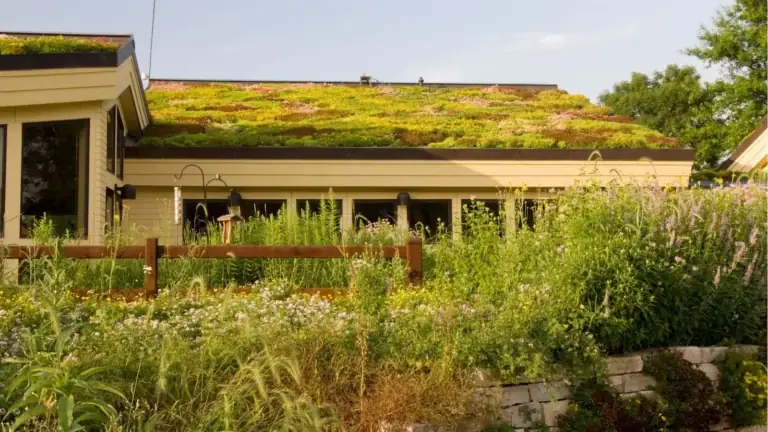
The selection and deployment of professional growing media within the contemporary architectural envelope represents an advanced convergence of geotechnical engineering, hydrology, and container horticulture. Successfully navigating this complex discipline requires abandoning ad-hoc soil blending in favor of rigorous laboratory testing, accurate bulk density mapping, and disciplined stormwater management. Whether evaluating the best lightweight soil alternatives for an extensive sedum roof retrofit or formulating a specialized substrate mix for an intensive high-rise podium garden, understanding underlying physical and environmental realities is paramount. By respecting structural load limits, securing proper air-filled porosity, utilizing certified mineral aggregates, and committing to long-term maintenance, property owners and designers can transform standard building envelopes into thriving, resilient elevated ecosystems that endure for decades.