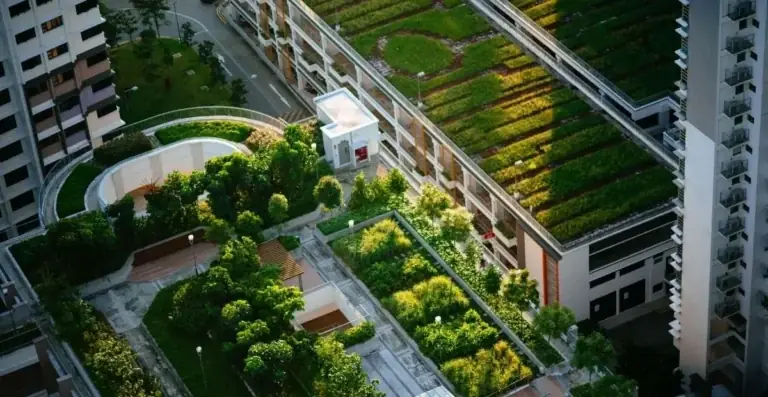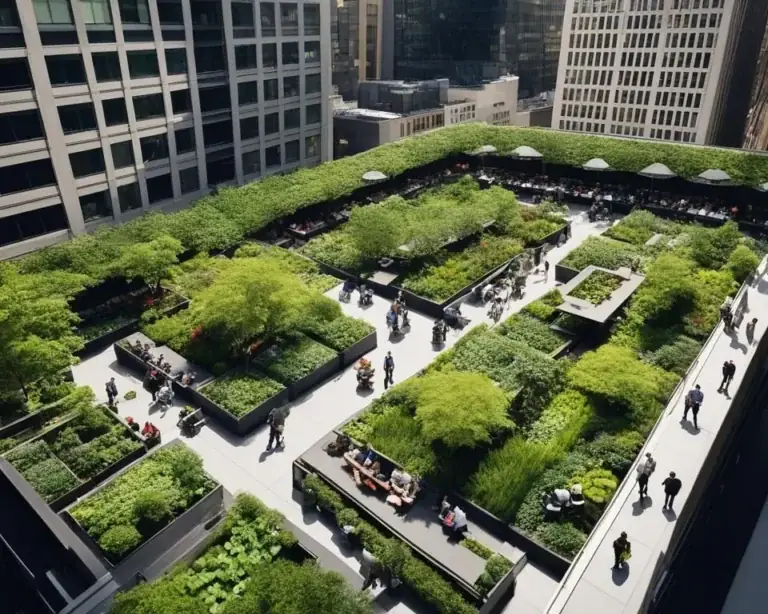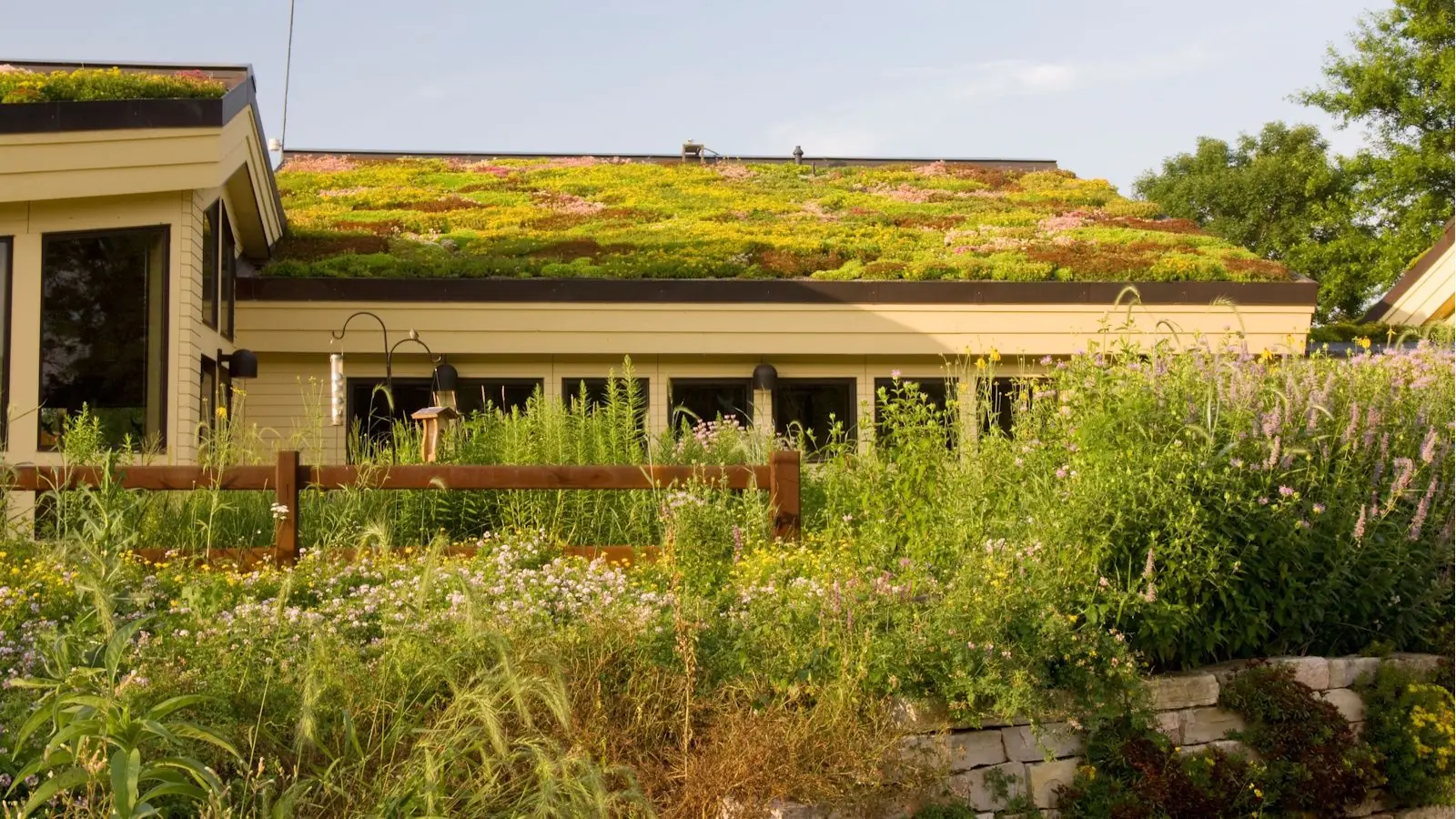
Best Drought Tolerant Plants for Roofs: Botanical & Structural Guide
Urban architecture increasingly looks upward to transform expansive, underutilized roof membranes into living, vegetative landscapes. However, the physical environment atop a building bears little resemblance to terrestrial ground-level gardens. Elevated roofs function as extreme microclimates characterized by blistering solar radiation, rapid moisture evaporation, severe wind-shear turbulence, and strict structural dead-load limitations. Therefore, traditional ornamental landscaping fails rapidly under these harsh conditions, because standard plants lack the physiological resilience required to survive prolonged desiccation without constant irrigation.
Overcoming these architectural hurdles requires replacing conventional vegetation with specialized xerophytic flora. When architects, landscape engineers, and building owners evaluate resilient vegetative systems, identifying the best drought tolerant plants for roofs becomes a critical step in ensuring long-term ecological survival and aesthetic viability. Furthermore, these plants have evolved remarkable physiological adaptations—such as specialized water-storing tissues, waxy leaf cuticles, and alternative photosynthetic pathways—that allow them to thrive on minimal moisture while anchoring lightweight growing media against high-altitude winds.
This definitive reference document provides an exhaustive examination of the biological, physiological, and structural characteristics of rooftop xerophytes. Stripping away commercial marketing hype, this guide investigates botanical mechanics, hydrological requirements, and spatial performance of elevated drought-hardy vegetation. By unpacking crassulacean acid metabolism, root-zone thermal dynamics, and wind-buffering morphology, this framework establishes a baseline for engineering resilient, self-sustaining vegetative roof ecosystems using the best drought tolerant plants for roofs.
Understanding “best drought tolerant plants for roofs”
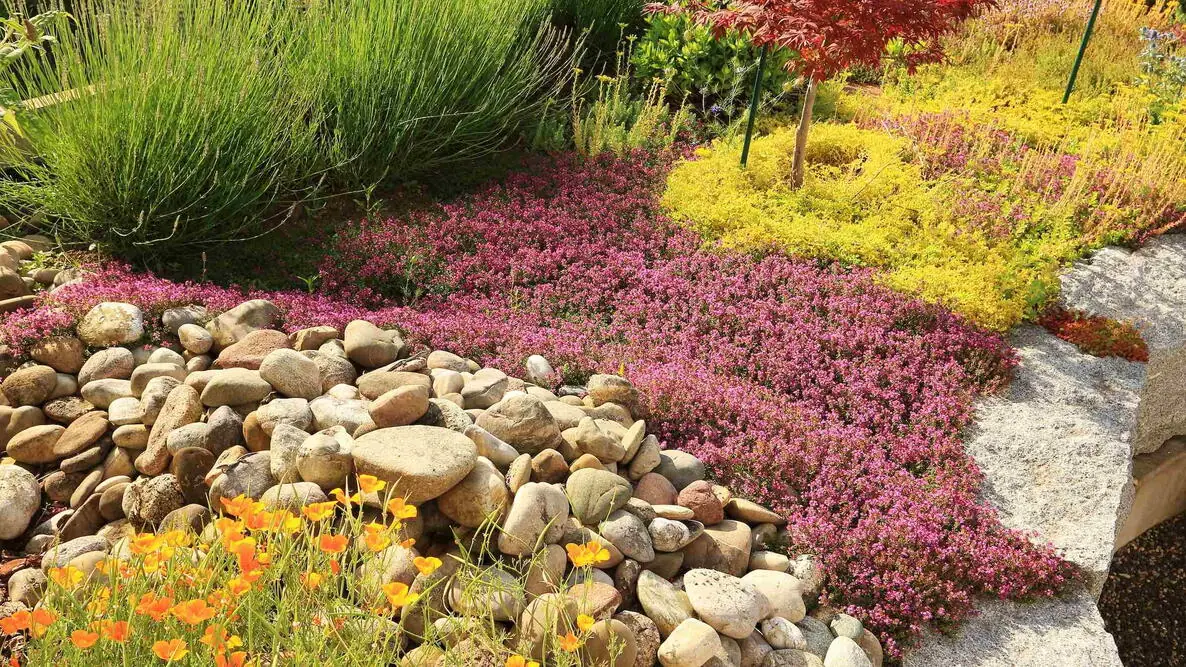
When botanists and green roof specialists analyze the best drought tolerant plants for roofs, they examine specialized flora capable of enduring severe moisture stress, temperature extremes, and nutrient-poor substrate conditions. Unlike standard garden plants that rely on regular watering and rich topsoil, rooftop xerophytes maintain metabolic function during extended dry spells by regulating transpiration and storing hydration within specialized cellular structures. Furthermore, treating rooftop plant selection as identical to ground-level xeriscaping ignores unique structural and microclimatic realities of elevated building envelopes. Specifically, ground-level rock gardens permit deep root penetration into native earth, whereas elevated roof installations constrain roots within shallow, lightweight engineered growing media.
A common misunderstanding assumes that once drought-tolerant plants establish themselves on a roof, they require zero maintenance or moisture management. In reality, while these species survive severe dry periods, extended meteorological droughts combined with intense urban heat island radiation can push even resilient plants past their biological threshold. Moreover, high-altitude wind currents exert continuous mechanical stress, stripping moisture from leaf surfaces faster than roots can absorb it from shallow substrates. Oversimplification also occurs when specifiers focus exclusively on drought survival while ignoring secondary traits like cold hardiness, wind resistance, and regenerative capacity. Consequently, a truly successful rooftop plant must survive freezing winter temperatures without snow insulation, withstand foot traffic during maintenance cycles, and recover quickly after unseasonal torrential downpours that saturate growing media.
Deep Contextual Background
The lineage of contemporary rooftop planting traces its origins from ancient vernacular architecture—such as turf-roofed Scandinavian sod houses and Mediterranean cliffside dwellings—to mid-twentieth-century industrial ecological innovations. Early builders utilized local alpine and coastal species that naturally colonized rocky outcroppings and shallow soils. During the late twentieth century, European researchers systematically cataloged these adaptive traits, thereby transforming rooftop horticulture from an informal vernacular practice into a rigorous ecological science.
As horticultural science advanced to incorporate controlled-environment testing and genetic screening, nurseries began developing specialized cultivars optimized for extensive and intensive green roof environments. Early green roof installations relied on a narrow selection of wild sedum species. Modern projects utilize diverse plant palettes combining native prairie grasses, alpine mat-formers, and drought-hardy perennials that provide both extreme desiccation tolerance and enhanced urban biodiversity. In modern municipal urban design frameworks and sustainable real estate development codes, resilient rooftop vegetation has evolved into vital ecological infrastructure. Cities facing severe stormwater runoff surges and escalating urban heat island pressures increasingly mandate living roofs on new commercial construction, shifting the industry away from monocultural sedum blankets toward complex, multi-species plant communities designed for long-term ecological stability.
Conceptual Frameworks and Mental Models
Navigating the complexities of selecting and establishing drought-tolerant plants for elevated roofs requires robust mental models that synthesize plant physiology, microclimatology, and structural engineering.
-
The Crassulacean Acid Metabolism Model: Explains how specialized plants minimize water loss by opening their stomata only at night to fix carbon dioxide, storing it as malic acid until daytime photosynthesis occurs. Therefore, this physiological adaptation is crucial for survival on exposed, sun-baked roof decks.
-
The Root-Zone Hydration and Substrate Tension Matrix: Evaluates how water moves through shallow, highly porous engineered media via capillary tension, dictating root architecture and drought-survival strategies. Specifically, this model maps out water retention across varied aggregate depths.
-
The Microclimatic Canopy and Wind-Boundary Layer Model: Analyzes how low-growing, mat-forming, and cushion plant morphologies disrupt wind shear, creating a protective boundary layer of calm air immediately above the roof membrane. Consequently, plants mitigate severe moisture stripping.
-
The Plant Community Succession and Ecological Competition Model: Predicts how different drought-tolerant species interact over time, balancing aggressive spreaders against slower perennial bunchgrasses to prevent monocultural collapse. Moreover, it guides long-term biodiversity planning.
Key Categories or Variations
Drought-tolerant plants utilized in elevated architectural settings span a diverse botanical spectrum defined by growth habit, root morphology, water storage mechanisms, and climate hardiness. Understanding these categories helps identify appropriate species mixes for architectural objectives.
| Plant Category | Primary Growth Habit | Water Storage Mechanism | Wind & Desiccation Tolerance | Typical Height Range | Ideal Rooftop Application |
| Crassulaceae (Sedums & Succulents) | Low-growing mats, rosettes | Fleshy succulent leaves and stems | Exceptionally High | 2 to 12 inches | Extensive green roofs, thin-substrate retrofits |
| Ornamental Prairie Grasses | Deep-rooted bunchgrasses | Fibrous root systems, dormancy | Moderate to High | 1 to 4 feet | Intensive podium gardens, deep structural planters |
| Drought-Hardy Perennials | Herbaceous forbs, taproots | Deep taproots, waxy leaf cuticles | Moderate | 6 to 30 inches | Semi-intensive biodiversity roofs, sensory terraces |
| Alpine Cushion Plants | Dense, low mounds | Tiny packed leaves, taproot networks | Extreme | 1 to 6 inches | High-altitude exposed penthouses, windy corners |
| Bulbous Xerophytes | Ephemeral bulbs, corms | Underground storage organs | Moderate | 6 to 18 inches | Seasonal accent planting in mixed media beds |
| Drought-Resistant Woody Shrubs | Compact woody stems | Sclerophyllous leaves, deep roots | High | 2 to 5 feet | Windbreak perimeter plantings, heavy structural zones |
Comprising genera such as Sedum, Sempervivum, and Delosperma, succulent groundcovers form the foundational palette of extensive green roofs. Their ability to store water in fleshy leaves and utilize CAM photosynthesis allows them to endure weeks of severe drought without permanent tissue damage. Therefore, these species represent a core component when specifying the best drought tolerant plants for roofs with minimal structural weight capacity. Ornamental prairie grasses and alpine mat-formers complement these succulents by introducing vertical diversity and root-zone stabilization across varying substrate depths.
Detailed Real-World Scenarios
To understand how plant categories function in practice, consider several operational scenarios complete with constraints and decision frameworks.
A : Industrial Warehouse Extensive Retrofit
A building owner installs a low-load extensive green roof on a large commercial warehouse to improve energy efficiency and manage stormwater. Structural dead-load limits restrict growing media depth to three inches, while the roof experiences intense, unfiltered all-day sun and high wind speeds. The landscape architect evaluates various plant palettes and selects a mix of hardy succulent groundcovers, recognizing them as among the best drought tolerant plants for roofs with ultra-thin substrate depths. The sedum mat establishes rapidly, surviving summer drought cycles with minimal supplemental irrigation. However, wind-borne weed seeds occasionally germinate in thin spots, requiring periodic manual weeding.
B : Residential Podium Garden Design
A luxury multi-family residential tower features a large concrete podium roof deck designated as a social amenity space. Structural weight allowances permit deep soil beds up to twelve inches, requiring a visually dynamic landscape featuring flowering perennials and ornamental grasses. The design team integrates deep-rooted prairie grasses and drought-hardy herbaceous perennials, ensuring plants withstand pedestrian proximity while tolerating periodic dry spells between automated irrigation cycles. The diverse plant community creates a vibrant atmosphere, though taller grasses require seasonal cutting back and disposal, adding to ongoing maintenance labor costs.
Planning, Cost, and Resource Dynamics
Executing a resilient rooftop planting plan requires comprehensive financial modeling that accounts for plant material acquisition, growing media preparation, initial establishment irrigation, and long-term biological maintenance. Viewing plant selection solely through the lens of nursery purchase prices ignores substantial long-term value realized through proper species selection and survivability.
| Expense Category | Primary Cost Drivers | Financial Variability | Long-Term Economic Impact |
| Plant Material Acquisition | Plug trays, pre-vegetated mats, container stock | Moderate | Determines initial establishment speed and aesthetic coverage |
| Substrate & Biological Prep | Lightweight growing media, mycorrhizal inoculants | Moderate | Ensures proper root aeration and long-term plant health |
| Establishment Irrigation Setup | Temporary drip lines, smart controllers, hose hookups | High | Secures plant survival during the critical first growing season |
| Manual Installation Labor | Hand planting plugs, rolling out pre-vegetated mats | High | Prevents planting errors and reduces early plant mortality |
| Long-Term Vegetation Maintenance | Weeding, seasonal trimming, fertilization, replanting | Low to Ongoing | Preserves ecological function and aesthetic value over decades |
The opportunity cost of failing to select appropriately adapted plant species is severe. Although cheap, non-adapted garden plants offer low initial purchase costs, rapid desiccation and mortality during the first summer dry spell lead to complete landscape failure and expensive replanting expenses.
Tools, Strategies, and Support Systems
Maintaining and evaluating rooftop plant communities requires specialized equipment and operational protocols distinct from ground-level horticulture. Because plant survival depends on precise environmental management, operators rely on advanced technical tools.
-
Subterranean Soil Moisture Tensiometers: Precision probes inserted into growing beds to measure matric potential and prevent root desiccation.
-
Thermal Infrared Imaging Cameras: Diagnostic devices used to detect plant heat stress and drought-induced stomatal closure across large green roof expanses.
-
Automated Drip Irrigation Controllers: Weather-linked watering systems that adjust irrigation schedules based on real-time rooftop solar radiation and precipitation data.
-
Pneumatic Substrate and Plant Delivery Systems: Heavy-duty equipment designed to transport plants and growing media vertically up high-rise buildings during installation.
-
Non-Destructive Chlorophyll Fluorometers: Handheld scientific tools that measure plant photosynthetic efficiency to detect early stages of environmental stress.
-
Geotextile Root Barriers and Retention Mats: Specialized subterranean layers that regulate moisture availability and protect building waterproofing membranes.
Risk Landscape and Failure Modes
The intersection of elevated urban roof environments and living plant biology creates a unique risk profile. Unanticipated failure modes can compromise plant survival, growing media stability, or building waterproofing integrity.
-
Extended Meteorological Drought Beyond Species Tolerance: Extreme, prolonged heatwaves combined with mechanical irrigation failure push even drought-adapted species past their cellular desiccation threshold.
-
Unseasonal Waterlogging and Root Rot: Prolonged heavy rainfall combined with blocked roof drains creates anaerobic root-zone conditions, causing root rot among species that detest wet feet.
-
Wind Scour and Unrooted Plant Displacement: Newly installed plant plugs or unanchored cuttings placed on exposed high-rise roofs can be dislodged by high-altitude wind shear before root systems anchor.
-
Invasive Weed Encroachment: Aggressive wind-borne weed seeds colonize sparse areas of drought-stressed vegetation, outcompeting desired rooftop species.
Governance, Maintenance, and Long-Term Adaptation
Sustaining a complex rooftop plant community requires formal governance structures, scheduled botanical assessments, and proactive adaptation strategies. Without structured oversight, plant coverage declines and weed infiltration compromises system performance. Property managers and maintenance personnel manage ongoing biological health through a structured sequence of checks and interventions.
-
Bi-Annual Botanical Cover Surveys: Evaluating species distribution, bare patch percentages, and overall plant vigor during seasonal transitions.
-
Quarterly Weed Removal: Manually extracting invasive plants before they establish deep root networks in the substrate.
-
Seasonal Irrigation Testing: Inspecting drip emitters, checking controllers, and flushing sediment lines to ensure reliable automated watering performance.
-
Targeted Soil Audits: Applying slow-release organic fertilizers or mineral amendments to compensate for nutrient leaching in shallow extensive media beds.
Measurement, Tracking, and Evaluation
Demonstrating performance, ecological viability, and aesthetic success of a rooftop planting plan requires rigorous data collection and tracking across multiple operational vectors. Leading indicators, such as soil moisture sensor battery status and filter cleanliness, allow operators to preemptively correct minor vulnerabilities. Lagging indicators, such as total vegetative coverage percentages and stormwater retention volume metrics, assess true systemic success. Documenting botanical inventory maps, irrigation logs, and maintenance records ensures accountability and long-term optimization.
Common Misconceptions and Oversimplifications
The selection and deployment of rooftop vegetation are frequently clouded by persistent myths and oversimplified assumptions that lead to severe horticultural outcomes.
-
Myth: Drought-tolerant plants never require any supplemental water after establishment.
-
Correction: While highly resilient, rooftop plants experiencing severe, multi-week heatwaves require occasional supplemental irrigation to prevent mortality.
-
-
Myth: All succulent plants are interchangeable for green roof applications.
-
Correction: Different sedum and succulent species vary wildly in cold hardiness, wind tolerance, and substrate depth requirements.
-
-
Myth: Native plants are always the best choice for every rooftop environment.
-
Correction: Many native forest understory plants cannot survive extreme solar radiation and wind exposure found on elevated roof decks.
-
-
Myth: Rooftop plantings eliminate the need for ongoing maintenance or weeding.
-
Correction: Wind-borne seeds inevitably land on roofs, requiring routine quarterly weeding and maintenance to protect desired plantings.
-
-
Myth: Thicker growing media automatically guarantees better plant survival.
-
Correction: Deeper media increases dead-load weight significantly and may retain excessive moisture, causing root rot for species adapted to thin, dry conditions.
-
Ethical, Practical, or Contextual Considerations
Beyond immediate aesthetic appeal and plant survivability, selecting the best drought tolerant plants for roofs touches upon broader urban sustainability and biodiversity conservation goals. In densely populated metropolitan centers, transforming sterile roof surfaces into living vegetative ecosystems creates vital stepping-stone habitats for migrating pollinators, butterflies, and urban bird species. Furthermore, extensive drought-tolerant plant communities reduce ambient building temperatures, lower urban heat island intensity, and significantly decrease peak stormwater runoff volumes entering municipal sewer systems. Practical realities, however, demand careful contextual sensitivity regarding regional climate adaptation and municipal fire safety regulations.
Conclusion
The selection and implementation of professional plant palettes featuring the best drought tolerant plants for roofs into the contemporary architectural envelope represents an advanced convergence of botany, structural engineering, and ecological design. Successfully navigating this complex discipline requires abandoning ad-hoc gardening habits in favor of rigorous microclimatic analysis, accurate substrate matching, and disciplined biological management. Whether deploying an extensive sedum carpet on an industrial warehouse roof or establishing a diverse prairie grass planting on a luxury commercial podium, understanding underlying physiological and environmental realities remains paramount. By respecting structural load limits, selecting species adapted to extreme wind and solar exposure, and committing to structured, long-term maintenance, property owners and designers can transform standard roof surfaces into thriving, resilient elevated ecosystems that endure for decades.