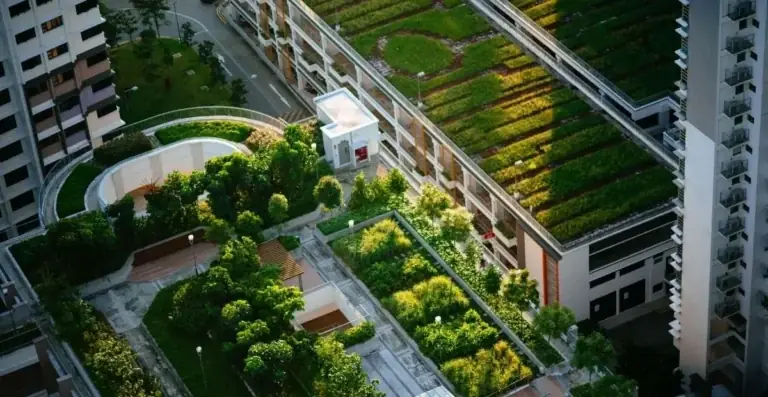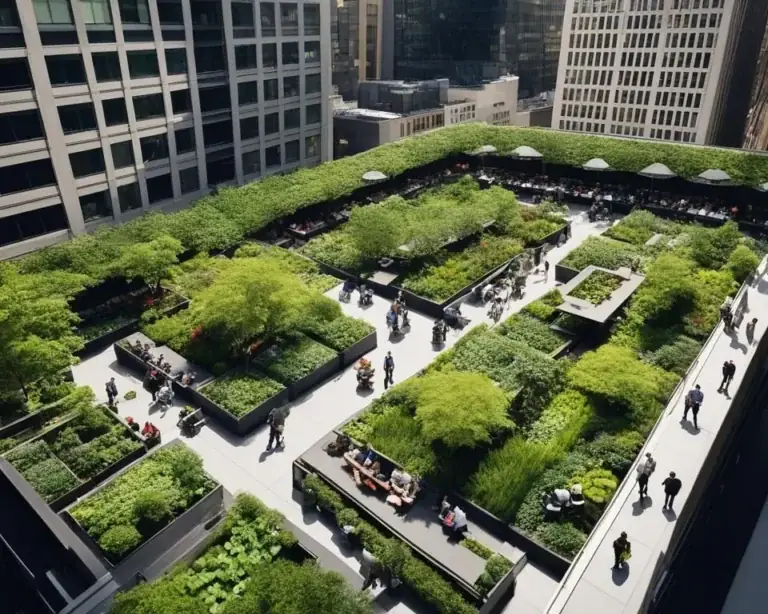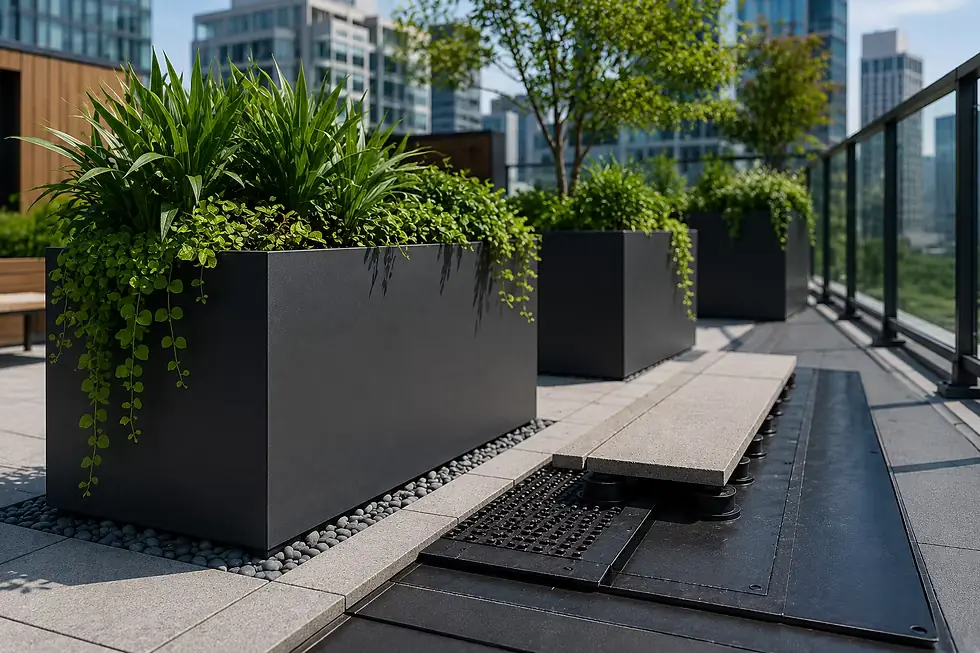
Top Rated Rooftop Planters: Materials, Wind Load and Design Guide
Modern urban architecture presents a relentless microclimatic challenge. Therefore, when looking for the top rated rooftop planters, property owners must consider high-altitude environments that subject elevated terraces and roof decks to severe wind shear, intense ultraviolet radiation, rapid temperature fluctuations, and unique structural load limits. Within this high-stress context, standard residential gardening containers fail quickly. They crack under thermal expansion, blow over in sudden gusts, or add excessive weight to structural roof slabs.
Selecting durable elevated vessels requires looking past superficial aesthetics or standard consumer gardening reviews. When architects, landscape designers, and property owners attempt to establish thriving vegetative zones on exposed rooftops, they quickly encounter harsh physical realities. Soil weight multiplies exponentially when saturated during heavy rainstorms, and high-altitude winds create powerful uplift forces that can destabilize unsecured containers. Navigating these performance demands requires systematically identifying the top rated rooftop planters by evaluating material engineering, wind-load ballasting, moisture retention mechanics, and structural weight distribution. Without this rigorous technical approach, installations risk structural damage, plant desiccation, and premature material failure.
This definitive reference document provides an exhaustive examination of high-performance container typologies, material physics, wind-load engineering, and maintenance frameworks designed specifically for elevated urban environments. Stripping away commercial marketing hype, this guide investigates the physical, mechanical, and systemic realities of rooftop container gardening. By unpacking material durability, thermal insulation properties, and drainage mechanics, this framework establishes a baseline for engineering resilient, long-lasting vegetative systems on contemporary roof structures using top rated rooftop planters.
Understanding “top rated rooftop planters”
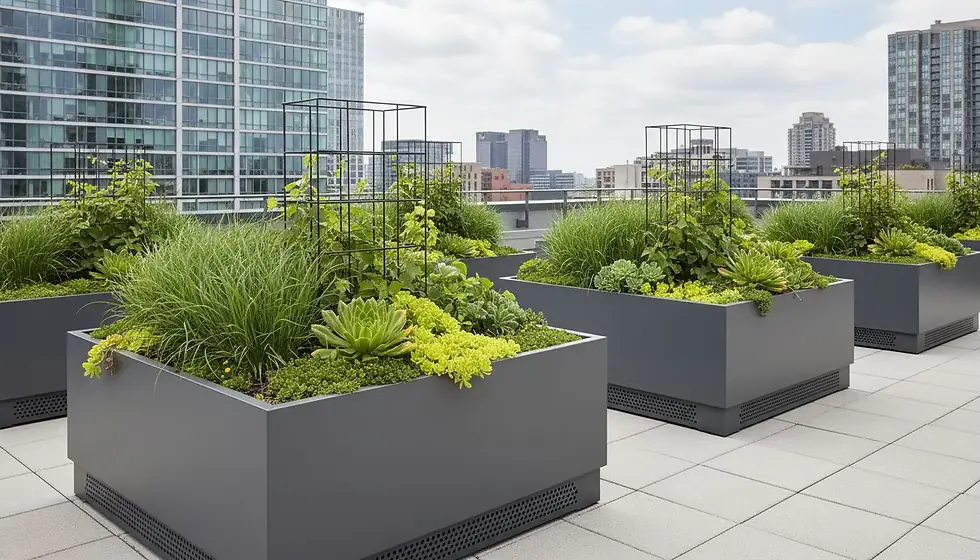
Defining High-Performance Elevated Containers
The pursuit of the top rated rooftop planters is a complex architectural and horticultural challenge. It involves much more than simple visual appeal or retail popularity ratings. At its core, this phrase refers to structurally engineered containers configured to withstand extreme high-altitude wind uplift, manage thermal fluctuations, and maintain optimal root-zone moisture without exceeding structural dead-load limits. Furthermore, treating standard garden pots as suitable for high-rise roofs invites severe structural and safety hazards. For instance, a heavy ceramic or unreinforced concrete pot exposed to freezing winter temperatures will crack, while a lightweight plastic container will blow away in high winds.
Environmental Realities and Challenges
A common misunderstanding is assuming that any heavy container will stay put on an exposed roof deck. In reality, modern rooftops present hostile environments featuring extreme wind turbulence, intense solar radiation, and rapid soil evaporation. When wind velocity strips moisture from the growing medium, plant survival plummets and root systems overheat. Moreover, weight management is delicate. While large containers provide necessary root insulation and stability, they dramatically increase dead-loads on structural roof slabs.
Infrastructure and Risk Factors
Oversimplification also happens when planners focus on container styles while ignoring drainage interfaces, structural load distribution, and wind-anchoring systems. Internal water reservoirs, root-aeration channels, heavy-gauge mounting brackets, and UV-stabilized composite walls form the technical foundation of safety. When these components fail, the consequences go beyond poor plant health. Often, they lead to falling object hazards or structural leaks. Therefore, navigating this domain requires a holistic systems approach.
Deep Contextual Background
Historical Evolution of Elevated Containers
The lineage of contemporary rooftop containers stretches from ancient Mesopotamian and Mediterranean roof terraces to mid-twentieth-century urban architectural innovations. While early builders utilized basic masonry boxes or terra-cotta urns for modest culinary and ornamental plants, modern engineers have transformed container design into an advanced science. Researchers across North America and Europe pioneered the quantification of wind uplift forces, thermal shock resistance, and lightweight composite material performance for urban roof gardens during the late twentieth century.
Modern Technological Integration
As materials science advanced to incorporate aerospace-grade fiberglass, rotational-molded high-density polyethylene, and fiber-reinforced concrete, constructing durable, lightweight containers for skyscrapers became feasible. Early high-rise terraces relied on heavy, fragile stone planters. In contrast, modern projects utilize advanced polymer composites that mimic natural stone or metal while offering exceptional impact strength and thermal insulation. Academic laboratories have since developed guidelines showing how double-walled insulation and internal water reservoirs correlate with root survival and structural integrity.
Contemporary Urban Planning Paradigms
In modern municipal urban design frameworks and sustainable real estate development codes, optimized elevated container gardens have evolved into vital biophilic infrastructure. Cities facing rising urban heat island pressures and severe stormwater runoff challenges increasingly encourage rooftop container integration for commercial and residential buildings. Consequently, this shift has moved the industry away from decorative consumer pots toward high-performance engineered systems integrated into the structural envelope of modern architecture.
Conceptual Frameworks and Mental Models
Navigating the complexities of selecting and installing elevated containers requires robust mental models that synthesize materials science, structural engineering, and container horticulture.
1. The Dynamic Wind-Load and Uplift Model
This model views the container assembly as a dynamic aerodynamic object subject to severe pressure differentials. Traditional landscape design calculates weight based on static gravity. Conversely, high-altitude wind creates lift forces that can dislodge containers. The mental shift moves from asking what a planter weighs when dry to determining how ballast weight and aerodynamic shape prevent displacement during gale-force winds.
2. The Thermal Mass and Root-Zone Insulation Model
Root survival relies on safeguarding the growing medium from extreme temperature swings. This model evaluates containers through thermal conductivity physics. Thin metal or uninsulated plastic pots expose roots to freezing winter temperatures and scorching summer heat. Conversely, double-walled composite or thick fiber-reinforced concrete containers insulate root zones, protecting plant biology from thermal shock.
3. The Moisture Retention and Drainage Equilibrium Matrix
Modern rooftop containers must balance water storage against rapid drainage to prevent root rot. This framework maps internal sub-irrigation reservoirs against overflow weep holes. Ensuring plant health requires balancing biological water uptake through roots against mechanical drainage during torrential downpours without waterlogging the substrate.
4. The Structural Load and Weight Distribution Index
This model balances the combined weight of the container, wet soil, and mature plant mass against the strict load capacity of the roof deck. Priority is placed on distributing container footprints across structural framing lines, ensuring that high-concentration point loads do not exceed structural deflection limits.
Key Categories or Variations of Top Rated Rooftop Planters
Elevated container systems are classified along a spectrum defined by structural material, weight profile, insulation capacity, and wind-load stability. Understanding these typologies helps identify the appropriate configuration for any objective.
| Planter Typology | Primary Material Composition | Saturated Weight Range | Thermal Insulation Performance | Wind-Load Stability | Ideal Rooftop Application |
| Fiberglass & Resin Composites | Glass-reinforced polyester / UV-resistant polymers | Moderate (30 to 80 lbs) | High (double-walled variants prevent root freezing) | Moderate to High (requires aggregate ballast) | General terraces, high-rise balconies, and modern decks |
| Fiber-Reinforced Concrete (GFRC) | Concrete matrix reinforced with alkali-resistant glass fibers | Heavy (100 to 300+ lbs) | Moderate to High (thick walls buffer temperature swings) | Exceptional (inherent heavy mass resists high winds) | Large structural podiums, permanent landscape zones |
| Rotational-Molded Polyethylene | High-density commercial polymer plastics | Light to Moderate (20 to 60 lbs) | High (molded hollow walls create thermal air breaks) | Moderate (light when empty, requires anchoring) | Versatile commercial spaces, movable green zones |
| Anodized & Powder-Coated Metal | Marine-grade aluminum or heavy-gauge galvanized steel | Moderate (40 to 90 lbs) | Low (conducts ambient heat and cold rapidly) | High (rigid frame construction resists deformation) | Contemporary architectural installations, accent planting |
| Autoclaved Cellular Lightweight Stone | Porous aerated stone aggregates and mineral binders | Moderate (50 to 120 lbs) | High (cellular air pockets provide natural thermal break) | High (substantial baseline mass) | Mid-rise residential decks, traditional aesthetic layouts |
| Modular Self-Watering Planter Beds | UV-stable structural plastics with internal water reservoirs | Heavy when full (80 to 200 lbs) | High (reservoir insulation protects root core) | High (interlocking structural frame designs) | Intensive urban agriculture, rooftop vegetable gardens |
Detailed Category Breakdown
Fiberglass and Resin Composites
Engineered for versatility and modern architectural aesthetics, fiberglass and resin composite containers offer an exceptional strength-to-weight ratio. They resist UV degradation and do not crack under freeze-thaw cycles. However, their light empty weight requires the addition of heavy bottom ballast, such as washed river stone, to prevent displacement in high-wind rooftop zones.
Fiber-Reinforced Concrete (GFRC) and Cellular Stone
Tailored for permanent installations on robust structural concrete slabs, GFRC and cellular stone planters provide massive inherent mass. This heavy mass acts as natural wind ballast while offering thick walls that insulate plant roots from extreme temperature swings. Their primary limitation is their heavy dead-load, which restricts their placement to reinforced structural transfer slabs.
Rotational-Molded Polyethylene and Modular Systems
Maximized for durability and impact resistance, rotational-molded plastic containers feature hollow double walls that provide excellent thermal insulation. Modular self-watering systems incorporate internal water storage cisterns beneath the soil bed. This design captures rainwater and feeds it upward via capillary action during dry spells, maintaining lush vegetation while reducing manual watering frequency.
Detailed Real-World Scenarios for Top Rated Rooftop Planters
To understand how these typologies manifest in practice, consider the following operational scenarios, complete with constraints and decision frameworks.
A : Equipping a Windy High-Rise Residential Balcony with Strict Weight Limits
-
Context: A condominium owner on the 25th floor wants to establish a private garden oasis on a narrow balcony with strict structural load limits.
-
Constraints: Structural engineering limits added dead-load to forty pounds per square foot. High wind velocity at this altitude creates severe uplift and tipping hazards.
-
Decision Path: The owner evaluates heavy concrete planters but rejects them due to weight limits. Instead, they determine the top rated rooftop planters by specifying double-walled fiberglass composite vessels filled with lightweight expanded shale substrate and anchored via hidden floor-mounted brackets.
-
Second-Order Effects: The balcony transforms into a lush private sanctuary without violating structural load caps. However, during an intense autumn windstorm, an unanchored tall decorative pot shifts slightly, prompting the addition of internal river-stone ballast.
B : Designing a Commercial Hospitality Terrace with Severe Solar Exposure
-
Context: A luxury downtown hotel installs a massive rooftop cocktail lounge and terrace exposed to intense all-day summer sun and heavy patron foot traffic.
-
Constraints: Containers must withstand heavy physical impacts from guests, resist fading under harsh UV exposure, and maintain moisture during heatwaves without daily manual watering.
-
Decision Path: Landscape designers draft comprehensive environmental models selecting the top rated rooftop planters tailored to harsh hospitality environments. They specify rotational-molded polyethylene sub-irrigated containers finished with a UV-resistant industrial coating.
-
Second-Order Effects: The self-watering reservoirs keep plants vibrant throughout severe summer heatwaves, cutting maintenance labor costs. Yet, the plastic finish requires periodic cleaning to remove urban dust accumulation.
C : Establishing an Urban Agriculture Rooftop Farm on a Steel Warehouse
-
Context: An urban farming cooperative seeks to install extensive vegetable-growing container beds on a flat, commercial steel-deck roof.
-
Constraints: Low-load steel truss framing restricts additional saturated dead-load to fifty pounds per square foot. The system must support heavy seasonal vegetable root growth.
-
Decision Path: Project engineers evaluate various container types to establish the top rated rooftop planters under industrial farming constraints. They deploy modular self-watering raised beds constructed from food-grade structural plastics with integrated overflow drainage control.
-
Second-Order Effects: The cooperative successfully harvests high-yield crops while maintaining strict compliance with structural dead-load limits. However, organic soil settling over multiple growing seasons requires annual top-dressing and nutrient replenishment.
Planning, Cost, and Resource Dynamics
Executing a container-based rooftop garden requires rigorous financial modeling that accounts for upfront vessel acquisition, lifting logistics, structural engineering verification, and long-term maintenance lifecycle costs. Viewing rooftop planters solely through the lens of retail purchase prices ignores the substantial long-term value realized through durable commercial-grade materials that withstand extreme weather.
Financial and Resource Matrix
| Expense Category | Primary Cost Drivers | Financial Variability | Long-Term Economic Impact |
| Structural Engineering & Load Review | Dead-load calculations, wind-uplift assessments, weight mapping | High; depends on building height and structural complexity | Prevents structural overloads and catastrophic deck failures |
| High-Performance Vessel Procurement | Fiberglass composites, GFRC molding, commercial polymers | High; premium commercial-grade materials dictate longevity | Eliminates frequent container replacement caused by cracking |
| Crane & Hoisting Logistics | High-rise crane rentals, rigging crews, vertical transport | High; depends on building height and urban street access | Ensures safe, efficient placement of heavy structural planters |
| Specialized Lightweight Substrates | Expanded clay, volcanic pumice, organic peat-free blends | Moderate; specialized media costs more than standard topsoil | Maintains structural load limits while preventing soil compaction |
| Automated Drip & Sub-Irrigation Kits | Pressure regulators, smart controllers, capillary wicks | Moderate; complexity of automated watering loops dictates cost | Reduces manual labor and prevents plant desiccation |
| Long-Term Container Maintenance | Seasonal soil refreshing, hardware checks, cleaning | Low to Ongoing; routine upkeep protects asset value | Preserves aesthetic and structural integrity over decades |
The opportunity cost of failing to invest in commercial-grade, UV-stabilized containers is severe. While cheap consumer plastic pots offer low initial installation costs, high-altitude UV radiation and winter freezing cause them to become brittle and shatter within two seasons. Neglecting material quality results in recurring replacement expenses that far outweigh initial upfront savings.
Tools, Strategies, and Support Systems
Maintaining a container garden on an elevated roof requires specialized equipment and operational protocols distinct from ground-level landscaping. Because structural safety and plant survival depend on precise environmental management, operators rely on advanced technical tools.
-
High-Altitude Anemometers: Weather instruments that track localized wind velocity to identify severe wind corridors and assess container displacement risks.
-
Subterranean Soil Moisture Tensiometers: Precision probes inserted directly into container root zones to measure matric potential and prevent over- or under-watering.
-
Pneumatic Substrate Delivery Systems: Heavy-duty pumping equipment designed to transport lightweight engineered soil and amendments vertically up high-rise buildings.
-
Mechanical Rigging and Hoisting Slings: Certified nylon lifting straps and spreader bars used to hoist heavy GFRC and large composite containers safely onto roof decks.
-
Smart Drip Irrigation Controllers: Weather-linked automatic watering systems that adjust irrigation schedules based on real-time rooftop solar radiation and temperature.
-
Internal Container Ballast Anchors: Galvanized steel mounting plates and cables that secure lightweight resin containers to structural deck framing.
-
Personal Fall-Protection Harnesses: Certified safety tie-off systems required for maintenance personnel servicing planters positioned near unprotected roof edges.
Risk Landscape and Failure Modes
The intersection of high-altitude rooftop environments and container horticulture creates a unique risk profile. Unanticipated failure modes can compromise structural safety, plant health, or pedestrian safety below.
1. Wind Uplift and Planter Displacements
The single greatest physical risk on high-rise roofs is unmitigated wind uplift. Wind velocities accelerate dramatically over tall parapets, creating negative pressure zones that can tip over or lift lightweight containers, transforming them into dangerous falling objects.
2. Freeze-Thaw Structural Cracking
Water trapped inside porous containers or saturated soil expands with tremendous force when freezing temperatures occur. If containers lack adequate drainage or material elasticity, this ice expansion cracks GFRC, stone, and unreinforced ceramic vessels.
3. Drainage Clogging and Root Suffocation
Accumulating organic debris, roots, and fine sediment can migrate downward, blocking container weep holes and drainage screens. When drainage fails, water accumulates in the bottom of the pot, suffocating roots and causing anaerobic rot.
4. Severe Substrate Desiccation and Thermal Stress
Intense summer solar radiation and high wind shear strip moisture rapidly from container soil. If automated irrigation fails or manual watering is delayed, plants experience rapid desiccation, leaf scorch, and irreversible tissue damage.
Governance, Maintenance, and Long-Term Adaptation
Sustaining a container garden on an elevated roof requires formal governance structures, scheduled safety reviews, and proactive adaptation strategies. Without structured oversight, even the most durable rooftop planters will experience declining performance and potential safety hazards.
The Maintenance Lifecycle
Property management teams, landscape operators, and maintenance personnel manage the ongoing structural and biological health of rooftop container gardens through a structured sequence of checks and interventions.
-
Bi-Annual Wind-Load and Anchorage Inspections: Evaluating container stability, mounting brackets, and internal ballast weights during seasonal weather shifts to prevent wind displacement.
-
Quarterly Drainage and Weep Hole Checks: Clearing organic debris from container drainage outlets to guarantee unobstructed water discharge during heavy storms.
-
Seasonal Soil Top-Dressing and Nutrient Audits: Inspecting growing media compaction, replenishing organic matter, and testing pH levels to maintain optimal plant health.
-
Irrigation System Pressure and Valve Testing: Inspecting drip emitters, checking pressure regulators, and flushing lines to ensure reliable automated watering performance.
Measurement, Tracking, and Evaluation
Demonstrating the performance, safety, and return on investment of an elevated container garden requires rigorous data collection and performance tracking across multiple operational vectors.
Leading vs. Lagging Indicators
-
Leading Indicators (Predictive): Container anchorage integrity checks, soil moisture sensor battery status, drainage screen cleanliness, and scheduled irrigation filter cleaning rates allow operators to preemptively correct minor vulnerabilities.
-
Lagging Indicators (Retrospective): Plant survival and vigor ratings, seasonal water consumption records, container structural durability verifications, and safety incident logs measure true systemic success.
-
Qualitative vs. Quantitative Signals: Quantitative metrics include soil moisture retention percentages and container weight compliance logs. Qualitative assessments include overall aesthetic health scores and wind-stability evaluations.
Documentation Examples
-
Container Load and Placement Log: Recording individual planter weights, ballast volumes, and structural deck placement zones to verify load compliance.
-
Wind-Load Inspection Report: Periodic engineering sign-offs verifying the structural security of containers positioned in high-velocity wind zones.
-
Irrigation and Moisture Audit Archive: Tracking automated watering performance and root-zone moisture levels across seasonal climate transitions.
Common Misconceptions and Oversimplifications
Urban container gardening and rooftop landscaping projects are frequently clouded by persistent myths and oversimplified assumptions that can lead to severe structural and financial outcomes.
-
Myth 1: Any heavy consumer ceramic or clay pot is suitable for a rooftop garden.
-
Correction: Traditional ceramic and clay pots lack freeze-thaw resistance and structural elasticity, causing them to shatter during winter freezing cycles.
-
-
Myth 2: Lightweight plastic pots do not require additional ballast on high-rise roofs.
-
Correction: High-altitude wind shear creates powerful uplift forces that easily blow away empty or lightweight plastic containers unless secured with heavy ballast or mechanical anchors.
-
-
Myth 3: Container plants require less maintenance than ground-level gardens.
-
Correction: Rooftop containers have restricted soil volumes and are exposed to intense wind and sun, requiring more frequent watering and nutrient management than in-ground beds.
-
-
Myth 4: Standard garden topsoil is the best medium for rooftop planters.
-
Correction: Standard topsoil is excessively heavy when wet and compacts easily in containers; rooftop planters require lightweight, engineered mineral-based soil mixes.
-
-
Myth 5: Drainage holes alone are sufficient to prevent waterlogging.
-
Correction: Without proper drainage layers, filter fabric, and clear weep holes, soil fines quickly clog container drainage outlets, leading to waterlogged roots.
-
-
Myth 6: Rooftop containers do not affect structural load limits.
-
Correction: The combined weight of wet soil, mature plants, and the container itself can easily exceed structural dead-load limits if not carefully calculated and distributed.
-
Ethical, Practical, and Contextual Considerations
Beyond material durability and structural parameters, the deployment of high-performance container gardens on elevated buildings touches upon broader urban sustainability and biophilic design goals. In densely populated metropolitan centers, integrating container-grown vegetation into commercial and residential rooftops plays a vital role in enhancing urban biodiversity, providing localized urban agriculture, and mitigating the urban heat island effect. Furthermore, incorporating well-designed green spaces increases commercial real estate asset valuation and improves tenant mental well-being.
However, practical realities demand careful contextual sensitivity. Water management in arid or water-stressed municipalities requires balancing the biophilic benefits of container gardens against local potable water constraints, frequently necessitating the integration of smart drip irrigation, sub-irrigation reservoirs, or rainwater harvesting cisterns. Additionally, coordinating container placement with strict municipal building codes, fire egress regulations, and wind-safety standards ensures that rooftop container gardens remain safe, compliant, and enduring assets within the urban landscape.
Conclusion
The selection and deployment of the top rated rooftop planters into the contemporary architectural envelope represents an advanced convergence of materials science, structural engineering, and container horticulture. Successfully navigating this complex discipline requires abandoning consumer retail purchasing habits in favor of rigorous wind modeling, structural load calculation, and disciplined moisture management. Whether deploying lightweight fiberglass composite vessels for a high-rise residential balcony or implementing modular self-watering raised beds for an urban rooftop farm, understanding underlying physical and environmental realities is paramount. By respecting structural load limits, securing proper wind ballast, utilizing engineered lightweight substrates, and committing to long-term maintenance, property owners and designers can transform standard roof surfaces into thriving, resilient elevated ecosystems that endure for decades.